


Why is water leaking through my basement floor or foundation joint?
Short answer:
Because your foundation was poured in stages, creating a cold joint where water can sneak in.
What that means in plain English:
- Concrete was poured on different days
- The sections didn’t fully bond together
- Water finds the weakest seam — the cold pour
- St. Louis soil and hydrostatic pressure push moisture through that joint
Cold pours are extremely common in older and newer St. Louis homes alike.
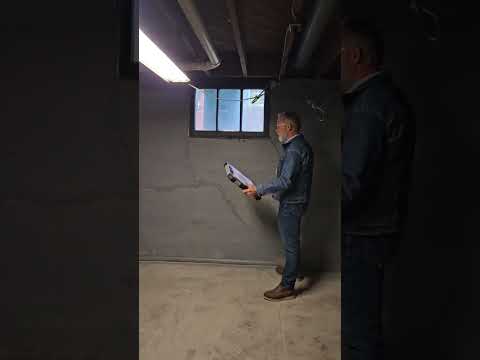
Foundation Leak Repair in St. Louis: How to Fix a Cold Pour the Right Way
If you own a home in St. Louis, chances are your foundation has dealt with its fair share of water pressure, clay soil movement, and heavy seasonal rain. One of the most common — and most misunderstood — causes of basement leaks is a cold pour, also called a cold joint.
At Waterproof Solutions, we see cold-pour foundation leaks all the time. The good news? They’re very repairable — when addressed the right way.
Why Cold Pours Are a Big Problem in St. Louis Foundations
Foundation leak repair in St. Louis is different than in many parts of the country. Our region deals with:
- Expansive clay soil
- Freeze–thaw cycles
- Heavy spring rains
- High hydrostatic pressure around foundations
When water builds up around your home, it looks for the easiest way in — and cold joints are prime targets.
Common warning signs include:
- Water seepage where the wall meets the floor
- Damp concrete after storms
- Efflorescence (white powder residue)
- Musty basement odors
The Best Way to Repair a Cold-Pour Foundation Leak
Professional Cold Joint Injection (The Gold Standard)
The most effective method for foundation leak repair in St. Louis caused by a cold pour is injection waterproofing.
How it works:
- Small ports are drilled along the cold joint
- A professional-grade polyurethane or epoxy is injected
- The material expands and seals the joint from the inside out
- Water is permanently blocked at the source
Why this works so well:
- Stops active leaks
- Seals hidden internal voids
- No exterior excavation required
- Long-lasting, flexible solution for St. Louis soil movement
Why Surface Sealers Usually Fail
Surface patching or DIY sealants often look good — until the next heavy rain.
That’s because:
- Water pressure pushes behind the patch
- Moisture finds another path
- The leak returns, often worse than before
Injection repair treats the cause, not just the symptom.
Cold-Pour Repair Process (What to Expect)
When Waterproof Solutions repairs a cold-pour foundation leak, the process typically looks like this:
- Foundation Inspection
Identify the exact source of water intrusion - Joint Preparation
Clean and prep the cold joint area - Injection Port Installation
Ports are placed strategically along the seam - Resin Injection
Waterproofing material fills the joint internally - Final Sealing & Testing
Confirm the leak is fully stopped
Can Cold-Pour Leaks Be Fixed from Inside the Basement?
Yes—and in most St. Louis homes, interior repairs are preferred.
Interior cold joint injection:
- Avoids digging up landscaping or concrete
- Is faster and more cost-effective
- Works even with active leaks
Exterior excavation is rarely necessary for cold-pour repairs.
Why This Matters for Long-Term Foundation Health
Cold-pour leaks don’t usually fix themselves — they get worse over time.
Unchecked moisture can lead to:
- Mold growth
- Rotting framing materials
- Foundation deterioration
- Lower home value
Early foundation leak repair protects both your structure and your indoor air quality.
St. Louis Foundation Leak Repair You Can Trust
If you’re dealing with water seepage along your basement floor or foundation wall, don’t ignore it. Cold pour leaks are one of the most common — and most fixable — causes of basement water problems in the St. Louis area.
Waterproof Solutions specializes in diagnosing and repairing foundation leaks caused by cold pours, settlement, and hydrostatic pressure.
Contact us today for a professional foundation inspection and repair plan